How to Turn Your Second Home Into a Profitable Airbnb: Step-by-Step Guide
If you own a second house that sits empty for part of the year, you may have wondered: How do I turn my second house into a functional and profitable Airbnb?
Turning a second home into a short-term rental property can create another source of income, but a successful Airbnb requires more than attractive furniture and an online listing. You need to understand local rules, calculate expenses, protect the property, prepare it for guests, establish reliable cleaning and maintenance systems, and charge rates that make financial sense.
Quick answer: To turn a second home into a profitable Airbnb, first confirm short-term rentals are permitted, research local demand, estimate your startup and operating costs, obtain appropriate insurance, furnish the property for your target guests, establish cleaning and maintenance systems, create a strong listing, and develop an Airbnb pricing strategy. After launching, continually track revenue, expenses, occupancy, and guest feedback.
Second Home to Airbnb Checklist
Before accepting your first reservation, work through this basic Airbnb setup checklist:
- Confirm local short-term rental regulations.
- Check HOA or condo restrictions.
- Review mortgage requirements, if applicable.
- Discuss appropriate coverage with your insurance professional.
- Research comparable vacation rentals.
- Estimate startup and monthly operating costs.
- Identify your ideal guest.
- Furnish and stock the home.
- Install appropriate safety equipment.
- Establish cleaning and maintenance plans.
- Take professional-quality photographs.
- Create your listing and house rules.
- Set nightly rates and minimum stays.
- Create check-in and checkout procedures.
- Track income, expenses, and occupancy.
Now, let's break those steps down.
Step 1: Make Sure You Can Operate a Short-Term Rental
Before buying furniture, check whether you can legally operate an Airbnb at the property.
Short-term rental laws vary by location. Depending on where the home is located, you could encounter permits, business licenses, occupancy limits, parking requirements, inspections, or local taxes.
If your property belongs to an HOA or condominium association, check those rules too. Some communities prohibit short-term rentals or require minimum lease periods.
Insurance is another important consideration. A standard homeowners policy may not provide the coverage you expect when a property is regularly rented to paying guests.
South Carolina owners can start by reviewing insurance requirements for rental property owners in South Carolina. Because vacation rentals present additional considerations, also learn more about short-term rental insurance for Airbnb hosts and vacation rental owners.
Verify the rules and insurance requirements before making a major investment in your Airbnb setup.
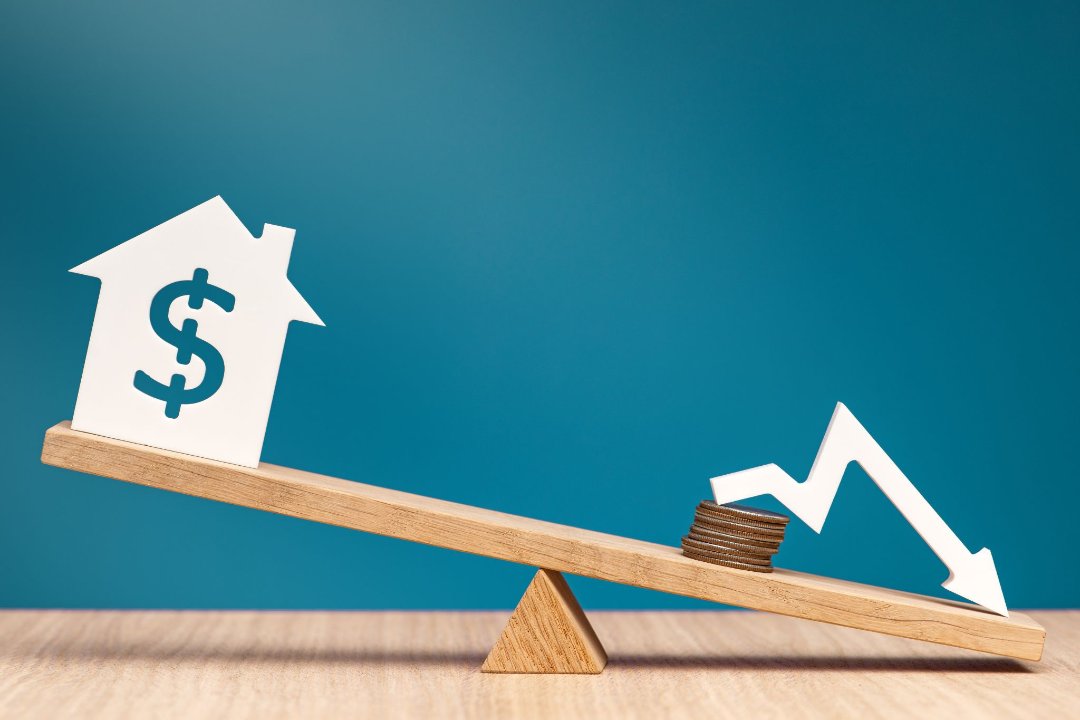
Step 2: Determine Whether Your Airbnb Can Actually Be Profitable
Bookings and profits aren't the same thing.
Research comparable properties with similar locations, bedrooms, bathrooms, amenities, and guest capacities. If your second home is in the Carolinas, our guide to the best short-term vacation rental markets in South Carolina and North Carolina can provide additional context about different markets.
Estimate potential revenue and subtract expected Airbnb operating expenses, including utilities, cleaning, landscaping, maintenance, insurance, supplies, taxes, platform fees, and property management.
Run three projections: conservative, moderate, and optimistic.
If you're comparing different ways of generating rental income, you may also want to understand the costs, cash flow, pros, and cons of duplexes versus single-family rentals.
The goal isn't simply high occupancy. It's positive Airbnb cash flow after expenses.
Step 3: Create a Realistic Startup Budget
How much does it cost to start an Airbnb? There isn't one answer because a fully furnished second home may need relatively little, while another property may require significant upgrades.
Consider three approaches:
Budget setup: Reuse suitable furniture and spend primarily on linens, kitchen supplies, safety equipment, smart locks, and necessities.
Mid-range setup: Replace worn mattresses and furniture, improve décor, add desirable amenities, and pay for professional photography.
Premium setup: Professionally design the property, purchase higher-end furnishings, upgrade outdoor living spaces, and potentially hire professional management.
Don't assume expensive automatically means profitable. Every major upgrade should have a purpose.
Step 4: Design the Property for Your Ideal Guest
Ask yourself why people visit your area.
Families may appreciate a high chair, pack-and-play, washer and dryer, games, and a well-equipped kitchen.
Remote workers may prioritize reliable Wi-Fi, a desk, comfortable chair, and convenient outlets.
Pet-friendly travelers may value a fenced yard, washable furniture covers, and food and water bowls.
Understanding your target guest makes it easier to determine what to put in an Airbnb without spending money on features your guests don't value.
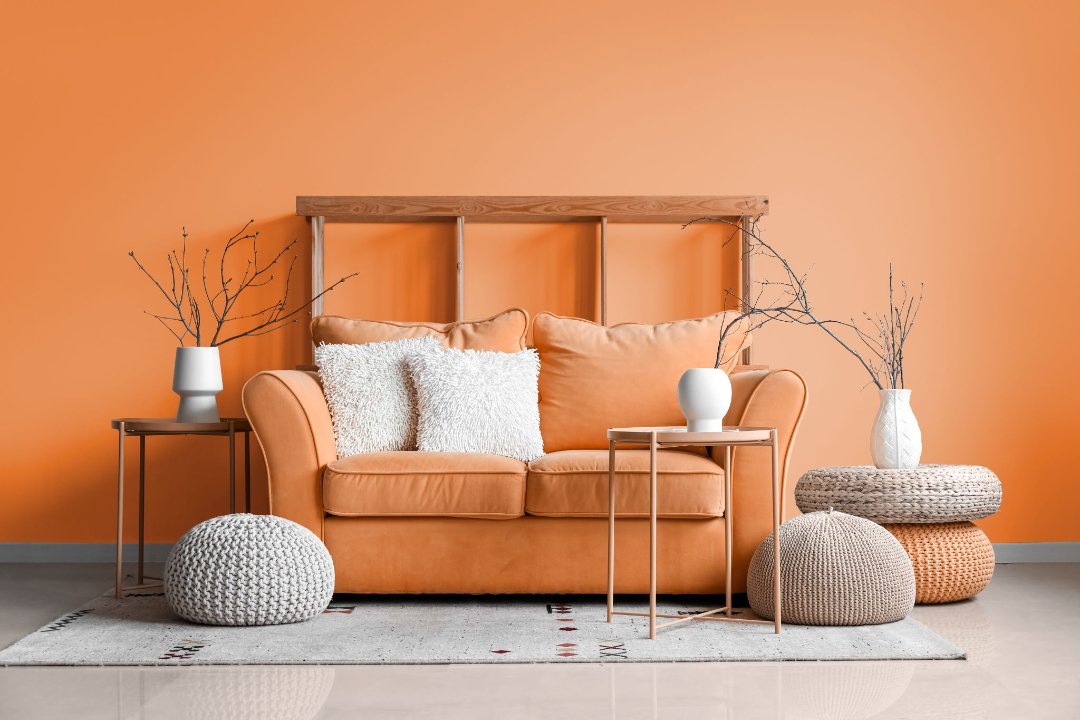
Step 5: Furnish for Comfort and Durability
When determining how to furnish an Airbnb, think differently than you would when decorating your own home.
Prioritize comfortable mattresses, mattress protectors, washable bedding, sturdy furniture, durable upholstery, good lighting, blackout curtains where appropriate, luggage racks, and convenient charging locations.
Avoid spending heavily on fragile furniture, expensive decorative pieces, complicated technology, or trendy features that won't improve the guest experience.
A vacation rental should look inviting, but it also needs to survive repeated use.
Step 6: Add Amenities That Help Your Property Compete
Once the basics are covered, consider Airbnb amenities guests want enough to influence their booking decisions.
Depending on the property and market, possibilities include:
- Fire pit
- Hot tub
- Grill
- Outdoor dining area
- Coffee bar
- Dedicated workspace
- Game room
- EV charger
- Beach equipment
- Outdoor games
- Pet-friendly amenities
You don't need all of them.
A relatively inexpensive coffee station could add character without requiring a major investment. A hot tub, on the other hand, comes with purchase, installation, maintenance, utility, and liability considerations.
For more possibilities, explore these short-term rental upgrades for every budget.
Ask one question before making a large improvement: Could this realistically increase bookings, nightly rates, guest satisfaction, or competitiveness enough to justify its cost?
Step 7: Make Safety Part of Your Airbnb Setup
Safety shouldn't be an afterthought.
Depending on the property and applicable requirements, your vacation rental safety checklist may include smoke alarms, carbon monoxide detectors, fire extinguishers, secure exterior doors, adequate lighting, sturdy railings, emergency information, and additional precautions around pools, hot tubs, fireplaces, decks, or other property-specific features.
Regularly inspect these items rather than assuming everything is still working because it was fine when you launched.
Step 8: Establish Cleaning, Maintenance, and Emergency Systems
Who handles a leaking toilet at 10 p.m.? What happens when the air conditioning stops working between guests?
Answer those questions before your first reservation.
Build a dependable network that could include a cleaner, backup cleaner, handyman, plumber, HVAC company, landscaper, and pest-control provider.
Smart locks can simplify check-ins, while smart thermostats may help control utility usage between stays.
If you're managing the property yourself, create written procedures so you aren't reinventing the process every time something goes wrong.
Step 9: Test the Property Before Your First Guest Arrives
Spend a night in the house as though you were a paying guest.
Try to find the property after dark. Enter using the guest door code. Connect to Wi-Fi. Cook a meal. Take a shower. Watch television. Sleep in the bed.
Then ask practical questions.
If the property sleeps eight, are there eight comfortable dining seats? Are there enough towels? Can everyone charge a phone? Is the Wi-Fi password easy to find? Are checkout instructions clear?
This mock stay can uncover surprisingly small problems before they become negative reviews.
Step 10: Create a Listing People Want to Book
High-quality photographs matter because they're often a potential guest's first impression.
Clean and stage the property before taking photos, and make sure the listing highlights features that differentiate the home.
Be specific. Instead of saying "great location," explain that the house is "five minutes from downtown restaurants" or "a short walk from the beach."
Be honest about drawbacks too. Setting accurate expectations can prevent unhappy guests and poor reviews.
Step 11: Develop an Airbnb Pricing Strategy
Avoid charging the same nightly rate throughout the year.
Demand can change based on weekdays, weekends, holidays, seasons, festivals, concerts, sporting events, graduations, and local tourism patterns.
Your Airbnb pricing strategy might include higher peak-season rates, weekday discounts, longer-stay discounts, and minimum-stay requirements during popular weekends.
Monitor comparable properties and your own booking performance. Maximum occupancy isn't necessarily the goal—profitable occupancy is.
Step 12: Decide Whether to Self-Manage or Hire Help
Self-management can reduce management expenses, but you'll be responsible for guest communication, turnovers, pricing, maintenance, emergencies, and reviews.
Professional Airbnb property management costs money but can make sense for owners who live far away or don't have time to handle daily operations.
A hybrid model is another possibility. You could manage reservations yourself while outsourcing cleaning, landscaping, and repairs.
Clear guest communication matters regardless of the approach. Explain check-in, checkout, house rules, emergency contacts, and what the property provides. Travelers who want to better understand protection for their own belongings can also learn more about what renters insurance actually covers.
Step 13: Track Whether Your Airbnb Is Actually Making Money
Treat your short-term rental like a business.
Monitor:
- Average nightly rate
- Occupancy
- Monthly revenue
- Cleaning expenses
- Utilities
- Maintenance and repairs
- Management expenses
- Supply costs
- Net income
Also pay attention to repeated guest feedback. If several people complain about the pillows, Wi-Fi, parking instructions, or kitchen supplies, fix the issue.
A profitable Airbnb isn't a finished product. Successful owners continue adjusting the property based on performance and guest experience.
Bottom Line: Build a Better Business, Not Just a Better Airbnb
Turning a second house into a functional and profitable Airbnb requires more than making it photograph well.
Start by verifying the rules and running the numbers. Then design the property around your ideal guest, invest in durable furnishings, choose amenities strategically, establish reliable cleaning and maintenance systems, price according to demand, and track your actual financial results.
Most importantly, don't feel pressured to create the perfect vacation rental immediately. Start with a safe, comfortable, well-equipped property and improve it based on real guest feedback and actual financial performance.
A successful Airbnb isn't simply a beautiful second home with a booking calendar. It's a well-run short-term rental business that works for your guests—and for you.
Frequently Asked Questions About Turning a Second Home Into an Airbnb
Can I turn my second home into an Airbnb?
Potentially, but first verify local short-term rental laws, HOA or condo restrictions, mortgage requirements, insurance considerations, permits, taxes, and other rules that may apply to your specific property.
What should every Airbnb have?
At minimum, guests need a clean, secure, comfortable place to sleep, functional bathrooms, appropriate linens and towels, basic kitchen necessities where a kitchen is provided, reliable access to the property, and clear instructions. The ideal amenities depend on your target guest and market.
Do I need special insurance for an Airbnb?
Don't assume your existing homeowners policy provides appropriate protection for short-term rental activity. Tell your insurance professional exactly how you intend to use the property and ask what coverage is appropriate.
What amenities can make an Airbnb more profitable?
There's no universal amenity that guarantees higher profits. Features such as hot tubs, fire pits, workspaces, pet-friendly accommodations, outdoor living spaces, or EV charging may help certain properties compete, but their value depends on local demand and cost.
Is Airbnb better than a long-term rental?
It depends. Short-term rentals may offer higher revenue potential in some markets but can involve more frequent cleaning, guest communication, furnishing costs, variable occupancy, and management. Compare projected short-term rental income and expenses with realistic long-term rental numbers before deciding.