
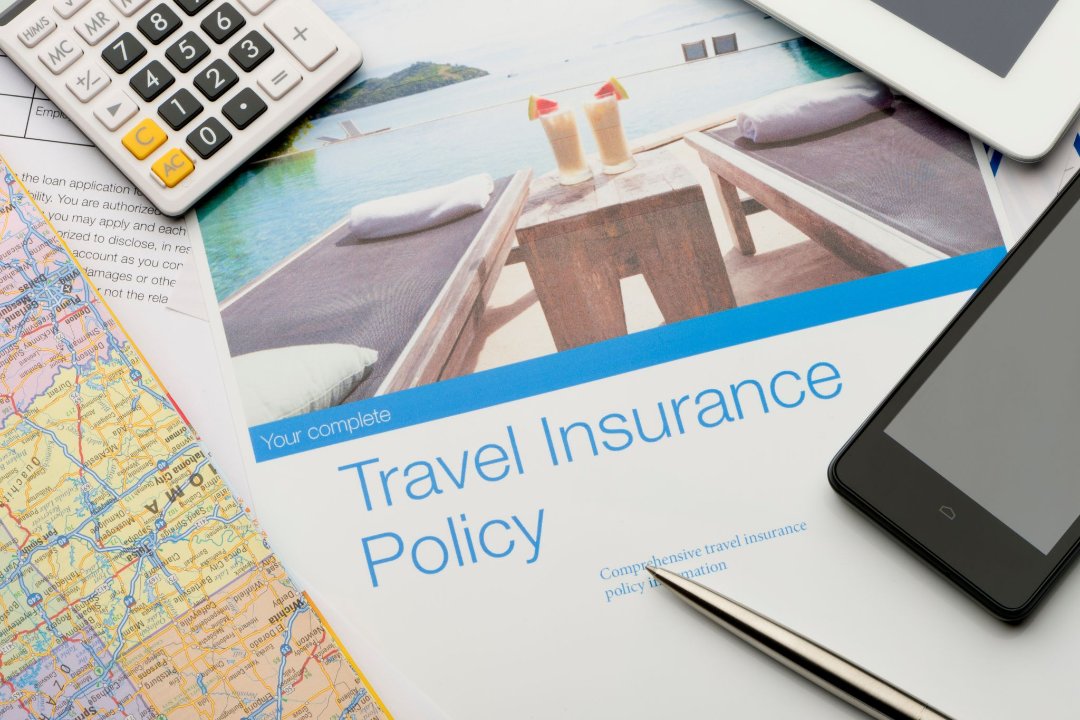
What Is Travel Insurance and Do You Need It? Coverage, Costs & Examples
Coverage varies by insurer, policy, state, destination, and individual circumstances. Review the actual policy terms, limits, conditions, and exclusions, and consider speaking with a licensed insurance professional before purchasing coverage.
You book a vacation, pay for airfare and accommodations, reserve activities, and start counting down the days. Then something unexpected happens. You get sick, severe weather disrupts the trip, your luggage disappears, or a family emergency forces you to cancel.
That is where travel insurance may help.
Travel insurance is a type of insurance that can help reimburse certain financial losses when unexpected problems disrupt a trip. Depending on the policy, travel insurance may cover trip cancellation or interruption, medical emergencies, emergency evacuation, lost or delayed baggage, and certain travel delays.
But do you need travel insurance every time you leave home? Not necessarily. The answer depends on where you are going, what you are spending, what coverage you already have, and how much money you could lose if something goes wrong.
What Is Travel Insurance and How Does It Work?
Travel insurance protects against specific risks associated with traveling. You purchase a policy, pay a premium, and receive the coverages listed in that policy subject to its terms, exclusions, deductibles, and limits.
Consider a family that spends $6,500 on an international vacation. Flights, hotels, tours, and other reservations account for $5,000 in nonrefundable expenses. A week before departure, a traveler becomes seriously ill and cannot travel.
If the illness qualifies as a covered reason under the policy's trip cancellation insurance, eligible prepaid, nonrefundable expenses may be reimbursed according to the policy.
The important word is covered. Travel insurance does not reimburse you for everything that could possibly go wrong.
What Does Travel Insurance Cover?
Travel insurance coverage varies considerably by policy, but several types of protection are common.
Trip Cancellation and Trip Interruption Insurance
Trip cancellation insurance can reimburse eligible prepaid, nonrefundable expenses if you cancel before departure for a covered reason.
Trip interruption coverage applies after your trip begins. Suppose you are four days into a 10-day vacation when a covered family emergency requires you to return home. The policy may reimburse eligible unused prepaid expenses and certain additional transportation costs.
Simply changing your mind about taking a vacation generally is not covered by standard trip cancellation insurance.
Travel Medical Insurance
Travel medical insurance may help pay eligible medical expenses if you become sick or injured while traveling.
Imagine falling and breaking your wrist while sightseeing overseas. You need an ambulance, X-rays, treatment, and follow-up care. Depending on your existing health coverage and travel policy, travel medical insurance may cover some eligible expenses.
Don't automatically assume your regular health insurance provides the same benefits internationally. Check your existing coverage before leaving the country.
Travel Insurance vs. Travel Medical Insurance
These terms are sometimes used interchangeably, but they can describe different protection.
A broader travel insurance policy may combine trip cancellation, interruption, baggage, delay, medical, and evacuation benefits. A travel medical policy focuses primarily on eligible healthcare expenses incurred while traveling.
Knowing the difference can help you avoid paying for coverage you already have—or traveling without protection you thought you had.
Emergency Medical Evacuation
Medical evacuation coverage may help pay for eligible transportation to an appropriate medical facility when medically necessary under the policy.
This can be especially important when traveling somewhere remote. A serious injury in an isolated area may require specialized transportation before you can receive appropriate medical care.
Lost or Delayed Baggage
Travel insurance may provide lost luggage insurance or baggage-delay benefits.
Suppose your suitcase doesn't arrive for two days. You need toiletries and basic clothing while you wait. If the delay satisfies your policy requirements, certain necessary purchases may qualify for reimbursement.
Keep receipts, airline reports, photographs, and other documentation. If you're unfamiliar with the process, understanding what to know before, during, and after filing an insurance claim can help you understand why documentation matters.
Travel Delays
Imagine severe weather strands you overnight. You unexpectedly need a hotel, meals, and transportation.
Travel delay insurance may reimburse certain eligible expenses if the delay meets the policy's requirements. Minimum delay periods, covered reasons, and reimbursement limits can apply.
What Does Travel Insurance Not Cover?
Understanding what travel insurance does not cover is equally important.
Depending on the policy, exclusions may involve foreseeable or known events, certain pre-existing medical conditions, some high-risk activities, losses associated with intoxication, or cancellations for reasons not specifically covered.
Exclusions are common throughout insurance. Homeowners, for example, can encounter circumstances when homeowners insurance will not cover damage. The broader lesson applies to travel insurance too: understand both what a policy covers and what it excludes.
Some plans offer optional Cancel For Any Reason (CFAR) coverage. It generally costs more, has specific eligibility requirements, and typically reimburses only a percentage of eligible prepaid expenses.
How Much Does Travel Insurance Cost?
There isn't one standard travel insurance cost.
Pricing can depend on your trip cost, age, destination, length of travel, number of travelers, coverage limits, and optional benefits.
Instead of looking only at the premium, consider your financial exposure.
A $400 weekend getaway with refundable reservations presents a very different risk than a $10,000 international vacation with $8,000 in nonrefundable expenses.
Ask yourself: If I couldn't take this trip, how much money would I actually lose?
Who Needs Travel Insurance Most?
Travel insurance may deserve stronger consideration if you:
- Have substantial prepaid, nonrefundable expenses.
- Are traveling internationally.
- Are taking an expensive cruise or tour.
- Have limited health insurance coverage at your destination.
- Are visiting a remote location where emergency transportation could be expensive.
- Could not comfortably absorb the financial loss if you had to cancel.
Conversely, additional travel insurance may be less important for an inexpensive trip where reservations are refundable and your existing insurance and credit card benefits already provide adequate protection.
Do You Need Travel Insurance for Domestic Travel?
Not always.
Suppose you're driving a few hours for a weekend getaway and your hotel allows free cancellation. Your potential loss may be relatively small.
Road trips also illustrate why you should examine your existing insurance first. If you're towing a camper, for example, understanding what to know about insuring a pull-behind camper can help identify what protection you already have.
Vacation properties involve another distinction. Travel insurance protects the traveler against specified travel-related risks; it does not replace property insurance. Someone who owns a getaway property should understand how to insure a second home or vacation home.
Likewise, short-term rental insurance for Airbnb hosts and vacation rental owners protects different risks than a travel insurance policy purchased by the guest. Owners of longer-term investment properties also have separate insurance requirements for rental property owners in South Carolina.
The larger point is to identify what each policy is actually designed to protect rather than assuming one policy covers everything.
Do You Need Travel Insurance for International Travel?
International travel insurance deserves additional consideration.
Your existing health coverage may work differently outside the United States, and a medical emergency or evacuation could potentially create substantial expenses.
International trips can also involve larger nonrefundable costs for airfare, accommodations, tours, cruises, and transportation.
Before traveling, investigate your existing medical coverage and check current insurance or entry requirements for your destination.
Does Your Credit Card Already Provide Travel Insurance?
Possibly.
Some credit cards include benefits related to trip cancellation, interruption, baggage, rental cars, or travel delays when qualifying expenses are paid with the card.
However, credit card travel insurance should not automatically be considered equivalent to a comprehensive travel policy. Coverage limits, medical benefits, qualifying events, exclusions, and claim requirements can differ.
Review exactly what your card provides before buying additional insurance.
When Should You Buy Travel Insurance?
If you decide you need coverage, don't automatically wait until the last minute.
Certain benefits or optional coverages may have time-sensitive purchasing requirements following your initial trip payment or deposit.
When comparing plans, examine coverage limits and deductibles—not just price. Understanding how insurance liability limits work illustrates the broader importance of knowing the maximum protection a policy provides.
Likewise, understanding how insurance deductibles are applied during a claim can help you recognize how much you may have to pay yourself before applicable benefits kick in.
Finally, knowing how to read your insurance declarations page can make concepts such as coverage types, limits, and deductibles easier to understand, even though travel insurance documents may be structured differently.
The cheapest travel insurance policy isn't necessarily the best value if it doesn't adequately cover the risks you're concerned about.
Is Travel Insurance Worth It?
Whether travel insurance is worth it depends on what you're risking.
Suppose you've paid $8,000 for an international family vacation and $6,000 is nonrefundable. Losing that money could seriously affect your finances. Travel insurance may be much more valuable in that situation than it would be for a $300 weekend getaway with refundable reservations.
Ask three questions:
How much money could I lose? What protection do I already have? Could I comfortably absorb the loss myself?
Those answers can help determine whether travel insurance makes financial sense.
The Bottom Line: Do You Really Need Travel Insurance?
You don't necessarily need travel insurance for every vacation.
For an inexpensive domestic trip with refundable reservations and adequate existing protection, additional coverage may offer limited value. For an expensive international vacation, cruise, or trip involving thousands of dollars in nonrefundable expenses, the calculation can look very different.
Before purchasing a policy, determine what protection you already have through your health insurance, credit cards, airlines, and other policies. Then consider how much you could lose if you had to cancel, return home unexpectedly, seek medical treatment, or deal with a major travel disruption.
Travel insurance isn't designed to eliminate every inconvenience. Its purpose is to provide financial protection against specific covered events that could otherwise turn your vacation into a significant financial loss.
Frequently Asked Questions About Travel Insurance
Can you buy travel insurance after booking a trip?
Generally, yes, but timing can affect eligibility for certain benefits or optional coverages. Review the policy requirements before waiting to purchase.
Does travel insurance cover hurricanes or bad weather?
Some policies may cover certain weather-related disruptions, but the event and circumstances must meet the policy's requirements. Purchasing insurance after a storm or other event becomes known may affect coverage.
Does travel insurance cover pre-existing medical conditions?
Some policies may provide coverage under specific conditions or offer waivers when eligibility requirements are satisfied. Carefully review the policy rather than assuming a pre-existing condition is covered.
Does health insurance cover you internationally?
It depends on your health plan. Before leaving the United States, contact your insurer and determine what medical care, if any, is covered at your destination.
Does travel insurance cover canceled flights?
It may cover certain losses related to a cancellation when the circumstances meet the policy's requirements. Airlines may also provide separate refunds, credits, or assistance depending on the circumstances.
Is travel insurance worth it for international travel?
It can be particularly valuable when an international trip involves substantial nonrefundable expenses, limited overseas health coverage, or the possibility of costly emergency medical transportation.